
- Get link
- X
- Other Apps
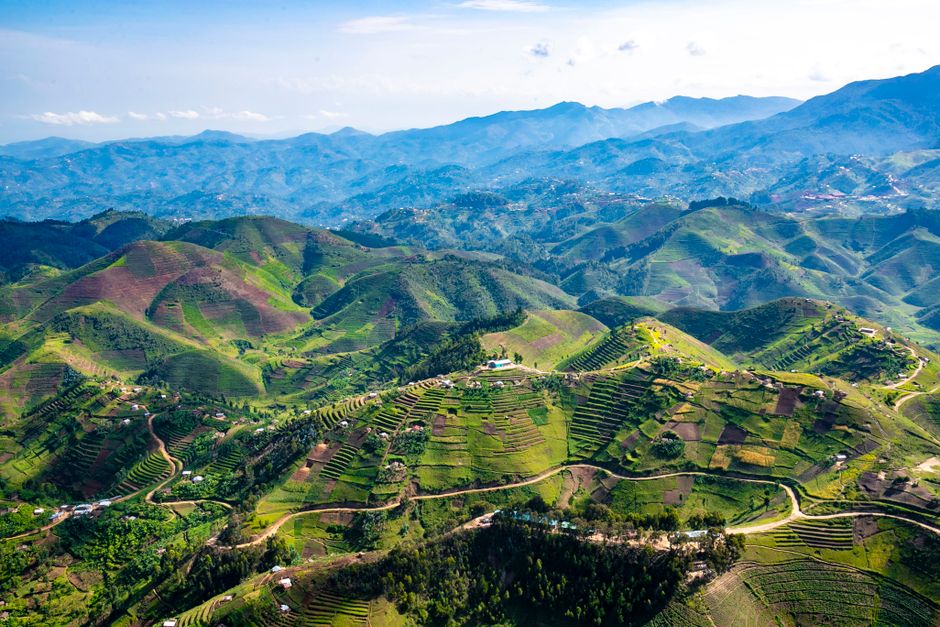
Exploring Rwanda's Mountain Regions
The world feels big until you start walking through it. As I stepped into Rwanda's mountain regions, I was struck by the serene and secluded landscapes that unfolded before me. The air was crisp, with an average temperature of 18°C (64°F), and a sense of tranquility settled over me like a gentle blanket. This moment marked the beginning of my journey to disconnect from the world and reconnect with nature.Why Visit Rwanda's Mountain Regions?
Rwanda's mountain regions offer an unparalleled opportunity to immerse yourself in nature and culture. The Virunga Mountains, a range of volcanic peaks, stretch towards the sky like giant sentinels, their glaciers, forests, and alpine meadows waiting to be explored. For those who crave adventure, trekking and hiking are available options that will take you deep into the wilderness. Alternatively, solo travel or group excursions with local guides provide an excellent chance to connect with the Batwa people and learn about their traditional way of life.Getting Oriented
To start your journey, fly into Kigali International Airport and rent a car or book a guided tour that will take you to Musanze, a gateway town to Volcanoes National Park. As you arrive in Musanze, be prepared for cooler temperatures and the chance to breathe fresh mountain air. The local guide or tour operator will provide valuable insights into the region's history, geology, and cultural practices.What to See and Do
Volcanoes National Park is a must-visit destination in Rwanda's mountain regions. Home to majestic creatures like mountain gorillas, golden monkeys, and black-and-white colobus, this park offers an unforgettable experience for nature lovers. Take a guided trek through the forest to spot these incredible animals in their natural habitat. In addition to the wildlife, Iby'Iwacu Cultural Village showcases traditional Rwandan architecture and farming practices that will provide valuable insights into the local way of life. For those seeking adventure, the Virunga Mountains offer endless opportunities for hiking and trekking. Lake Bulera, a freshwater lake surrounded by lush vegetation and hiking trails, provides a serene spot to relax and take in the breathtaking views. The Gahinga Forest is another sacred site for the local Tutsi community, offering insight into their history and customs.While most countries struggle to protect endangered species, Rwanda flipped the script by giving local communities a share of tourism revenue. Villagers who once saw gorillas as threats now protect them as part of their livelihood. This approach has turned Rwanda into a global benchmark for conservation success.
Why This Is So Unique
10% of all gorilla trekking revenue goes directly to local communities
Poaching has dropped dramatically
Gorilla numbers have risen from around 250 in the 1980s to over 1,000 today
Rwanda’s Volcanoes National Park is now one of Africa’s most successful protected areas
It’s not just wildlife — it’s a national mindset. Rwanda rebuilt itself through unity, discipline, and a deep respect for nature. That combination is rare, powerful, and unforgettable.
Food and Local Flavor
Rwandan cuisine is hearty and flavorful, reflecting the country's rich cultural heritage. Stewed meat dishes like umutsima are staples of the local diet, using locally grown vegetables to create delicious meals. Fresh produce from the surrounding mountains includes fruits, greens, and tubers that will add a burst of freshness to any meal. Traditional snacks like matooke (steamed or boiled green bananas) make for an excellent accompaniment to the vibrant local tea ceremonies. The aroma of freshly brewed tea wafts through the air, enticing you to join in on the cultural tradition. Tea is not just a drink; it's an integral part of Rwandan life, and participating in a traditional tea ceremony will allow you to connect with the locals on a deeper level.Slower Moments and Reflection
As I wandered through the mountain landscapes, I found myself drawn into the quieter moments – sitting by the lake, watching the sunset over the Virunga Mountains, or simply listening to the sounds of nature. These slower moments allow you to truly connect with your surroundings and tap into the sense of tranquility that pervades this region. One reflection that came to mind during my visit was how Rwanda's mountain regions embody a philosophy of living in harmony with nature. The Batwa people, indigenous to the area, have lived alongside their environment for centuries, demonstrating an intimate understanding of the delicate balance between humans and nature. This realization left me with a deeper appreciation for the beauty of nature and our responsibility to preserve it.Practical Tips for Visitors
When planning your trip to Rwanda's mountain regions, consider visiting during the dry season (May-June), when trekking and hiking are optimal due to clear skies and cooler temperatures. Be sure to take necessary precautions against altitude sickness and insect-borne illnesses. Rental cars or guided tours can be booked in advance, offering flexibility and convenience. Accommodation options range from budget-friendly choices ($20-50/night) to mid-range meals ($15-30). The local snacks and food options are affordable, making it easy to indulge in the rich culinary traditions of Rwanda's mountain regions. By taking these practical steps, you can ensure a safe and enjoyable journey through this enchanting corner of Africa.Conclusion
As I concluded my journey through Rwanda's mountain regions, I realized that this enchanting corner of Africa is not just a destination; it's an experience that will forever leave its mark on your heart. The serenity of the landscapes, the majesty of the wildlife, and the warmth of the people have all combined to create a sense of peace and connection with nature. If you're looking for a place to disconnect from the world and reconnect with yourself, Rwanda's mountain regions are an unforgettable destination waiting to be explored.
— Fowzer
The Reflective Explorer
#reflectiveexplorer
The Reflective Explorer
#reflectiveexplorer
Comments
Post a Comment